

Choosing a Self Propelled Wheelchair With Suspension
Self-propelled wheelchairs boost independence by allowing users control of their own pace, direction and final destination. They also boost fitness of the upper body and cardiovascular health.
Wheelchair suspension helps cushion sharp shocks such as drops from thresholds or curbs and reduce vibration transmitted to the MWU. In-wheel suspension can be a great alternative to front-caster suspension.
Seat to Floor Height
The height of a chair is vital because it determines the ability of the chair to move across different surfaces. Wheelchairs have a slick bottom surface that enables them to move easily over paved roads or sidewalks, as well as indoor surfaces like hardwood floors or tile. When traveling outdoors on more rough terrain, a wheelchair will require grippy treads to allow it to grip more effectively.
To ensure an easy ride for the user, a suspension system is incorporated into the frame of the chair. A shock assembly is utilized to absorb and displace energy from the chassis whenever it encounters uneven or rocky surfaces. The shock assembly comprises springs that are attached to the chassis assembly and can be adjusted to alter the amount of energy transferred from front to back or in reverse.
One method to adjust the shock assembly is with a pin 1201 that can be put into a plurality of holes 1102 that are equally spaced. By adjusting the position of the pin 1201 can be inserted, you can make your wheelchair more rigid or soft in its ride by altering the amount of movement inside the shock assembly.
A pair of wheels for forward is also attached to the chassis in addition to the shock assemblies. These wheels can be adjusted and positioned in a variety of positions to alter the amount of weight transferred from one side to the other. This allows the wheelchairs to be adjusted to different terrains and reduce the load on the axles.
Another method of adjusting the wheelchair is with the footboard. The height of footboards can be adjusted to fit an array of users, and to allow them to be able to comfortably reach the floor. The length of the footboard may be altered to adjust the pressure on the legs and feet.
Add-on devices like chunky mountain bicycle tires can be fitted to wheelchairs to help them traverse rougher terrain. This will not only enhance the comfort of the wheelchair user, but also let them gain access to places previously out of reach.
Seat Size
Getting the correct seat size is crucial to ensure that a self propelled wheelchair with suspension delivers optimal comfort. A seat that is too small can cause unnecessary strain on muscles and bones. A seat that is too large could result in a sagging posture. Before buying a wheelchair it is recommended to consult a seating clinic. This will ensure that the chair is positioned correctly to accommodate your needs.
The frame material you choose can also add to your comfort. Steel frames are durable and provide a great degree of adjustment. They can be very heavy, and they may cause sores when used over long distances. Aluminium is a better option that is lighter and has greater flexibility. Most lightweight aluminium chairs include footrests that are removable to reduce weight when not in use.
Carbon fibre is the lightest of all frame materials, but it is more expensive and is only available on high-end models. Carbon fibre is a high-quality material that offers strength and durability. This makes it perfect for use in sports wheelchairs and high-performance models.
Another thing to think about when deciding on the perfect wheelchair is its appearance. Wheelchair manufacturers put in many efforts to ensure their products look beautiful. They offer a variety of colour options, along with contrasting trims and other design elements. Appearance is very individual and mostly dependent on your personal preferences but it's worth bearing in your mind that a visually appealing wheelchair can boost your confidence.
Empowering Independence
Self-propelled chairs with suspension are a great option for mobility, whether you're using it for everyday or leisure. Using the proper frame and accessories will significantly improve safety, comfort, and efficiency and modifying your wheelchair to match your lifestyle is an easy method to make it truly your own.
best lightweight self propelled wheelchair -Chair, for example is a revolutionary wheelchair with its adjustable spring suspension. The rear shock absorbers can be adjusted to smooth surfaces and increase comfort. Anti-tip tires that can be adjusted and front suspensions increase the safety of the ride and make kerb climbing easier. A backrest that is padded to resemble a desk and one-touch height-adjustable armrests complete the set.
Seat to Back Height
It is important to consider the seat-to-back height when choosing a self-propelled wheelchair with suspension. A seat that is too high can cause extra strain on legs and thighs, while one that is too low could cause the user to lean forward, which can lead to poor posture and pressure sores. The best chair has a seat that is deep enough between the backs of the knees, and the front edge. This will ensure that you sit in a comfortable sitting position with a uniform pressure distribution.
The distance between the front wheel and the axle is crucial. This can affect the amount of force needed to push the chair through obstacles. A narrower axle will require less force but it isn't always easy to maneuver through tight spaces. Wider axles are more maneuverable however they may not provide enough traction when used off-road.
It is also important to consider the kind of wheels that will be utilized. There are a myriad of choices to pick from, including pneumatic vs solid tires. Solid tires are more durable, but solid tires can be difficult to maintain. Pneumatic tires provide a softer ride.
The type of frame you choose is also crucial. Certain frames are made from aluminum, which is light and easy to move, whereas others are more robust steel that is able to provide durability. The frame can be personalized by adding accessories like armrests and footplates. This allows wheelchair users to customize their wheelchairs to suit their needs.
Once the right chair has been selected It is now the matter of retraining to improve your driving abilities. As the user gets more familiar with the chair they will likely require fewer adjustments, which will allow them to move further. For those with several years of experience and want the ultimate in control and performance, a custom welded wheelchair such as TiLite's TR, RGK's Octane Sub4 or Progeo's Joker Energy is an excellent alternative.
Wheelchairs are becoming more popular, ranging from basic track wheels to motorized rear wheels that can be controlled like a powerchair, or that assist every stroke. These wheels can help the wheelchair user move over kerbs or high thresholds, which could prevent them from getting further without assistance. They allow wheelchair users to explore their world and allow them greater freedom of motion.
Seat to Side Height
Many wheelchair users can benefit from adjustments to the frame or seat cushion, as well as backrest, which will allow users sit comfortably with good posture. If they don't adjust their wheelchair, it could adversely affect their posture which can cause fatigue and pain, as well as lower self-esteem, and possibly even limited mobility.
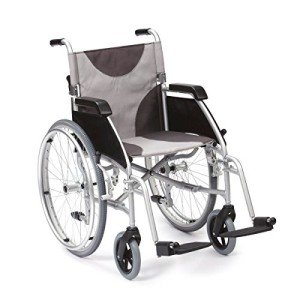
We evaluate a client's strength and range of motion as well as muscle tone during the seating assessment to determine the best wheelchair to meet their needs. It is also important to take into consideration their hip position, bone structure and other medical issues. This can affect their seating system as well as the way they drive their wheelchair.
The front and rear seat heights are vital because they determine the positioning of the seat relative to the wheels. If a customer sits too high above their wheels, they will not be capable of reaching the rims of their hands. As a general rule it is recommended to reach the wheel hub using your fingers or palms when you put your arms around your sides.
A standard wheelchair could be too high for clients with bariatric issues. A few of these clients use power mobility as their primary wheelchair and the manual wheelchair as a back-up. There are now a number lightweight bariatric chairs available on the market, with adjustable frames and seats which can be modified to self-propel.
In addition to these light self propelled wheelchairs, there are a variety of transit and travel chairs with smaller wheels and lighter frames for easier transport and storage. These are best suited for transporting passengers in a vehicle such as minibuses, and they are typically crash-tested for this purpose.
The majority of wheelchairs for active users are designed for use on paved surfaces however they can also handle rough ground with add-on devices like off-road tyres or suspension systems. Some of these have also been designed to be as versatile and practical as they can be with folding armrests that can reduce the size of the wheelchair when it is stationary, cushioned seats that can be turned back and half-folding footplates for easy access.